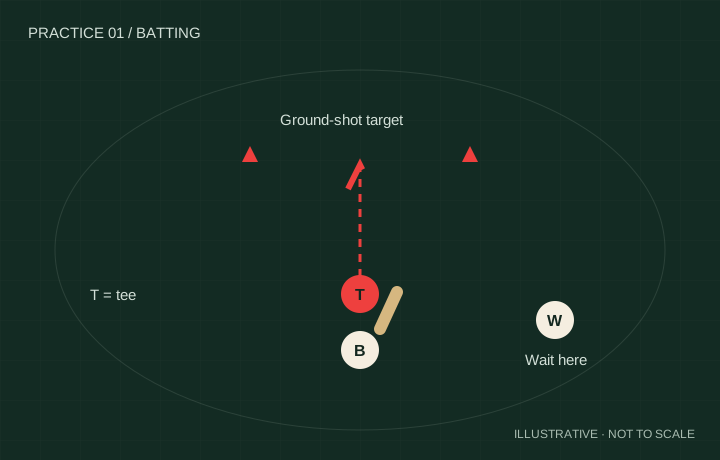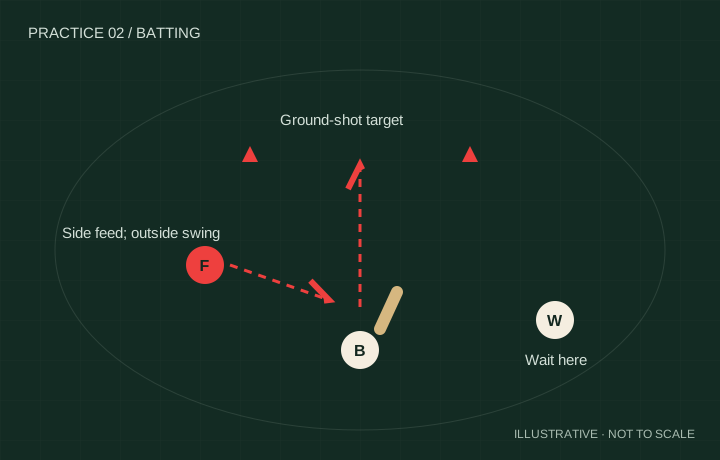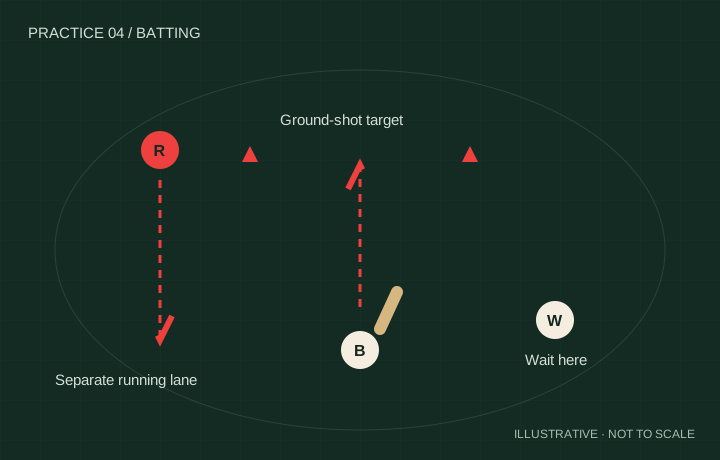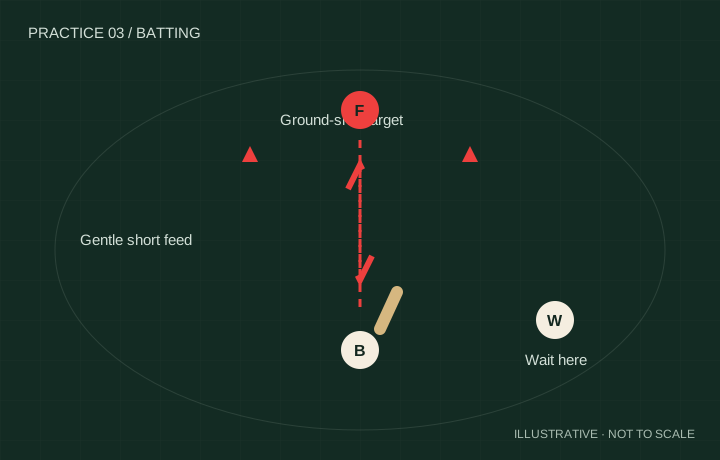
A batter who stays on the front foot for a shorter delivery may end up reaching for the ball. This practice uses a gentle, predictable bounce so the player can move back, find their balance and guide the ball into an open area. If the batter steps backwards but still stretches at the ball, return to a slower, more predictable bounce. Watch the feet settle before contact, then ask the player to describe whether the ball was short enough to move back. Allow about 12 minutes for the station, including explanation, turns and rest.
Set up the drill
Use a competent feeder and a short-pitched soft-ball feed at a comfortable pace. Mark a wide off-side target and a protected waiting area.
Equipment: Bat, soft ball, cones.
How to run it
- Practise the backward movement without a ball.
- Feed gently so the ball bounces short of the batter and stays below shoulder height.
- Move back while keeping the head steady.
- Guide the ball into the target rather than swinging for distance.
- Review balance after each set of four attempts.
Move into position, then make contact.
A common mistake—and the fix
Leaning away reduces control. Slow the feed and shorten the movement until the player finishes balanced.
Use a shadow swing followed by a predictable foam-ball bounce.
Alternate a slightly fuller feed with the short feed so the player chooses whether to move forward or back.
What to measure
Count balanced finishes and intended placements separately out of four.
Use the first round as the player’s starting point. Keep distance, ball and target size the same when comparing another round. These counts are practice observations, not selection standards or promises of improvement.
Before you start
No fast or head-high feeds. Keep the feeder well clear of the hit path and use qualified supervision for more advanced progression.
Use a soft ball for the version described here. Explain the stop signal, check the surface and keep waiting players clear. Adapt or stop if a player feels pain, distress or fatigue. Read the full safety and supervision guide.
Questions about this drill
What does back-foot placement help players practise?
This drill helps the batter recognise a shorter, gentle delivery and move into position before playing. Watch whether they finish balanced and guide the ball towards the agreed area, rather than falling away after contact.
How can I adapt this drill for a less confident player?
Begin without a ball so the batter can feel the movement. Add one predictable soft-ball bounce only when they can step back and stay balanced.
What should I look for before increasing the challenge?
Look for a balanced finish and a ball guided towards the chosen area. If the batter leans away, reduce the feed and try again.