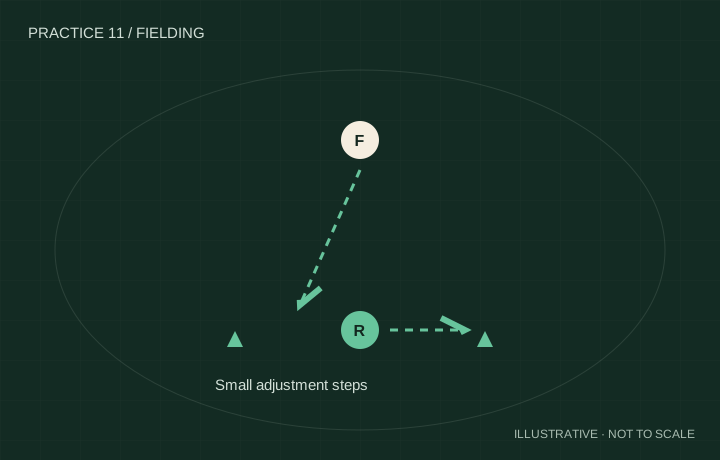
A catch rarely arrives at the exact spot where a fielder is standing. Partners use gentle chest-height feeds that require a small adjustment step before the catch. This lets players practise moving into line while keeping their eyes on the ball. If catches are dropped while the player is still stepping, offer a gentler feed and allow them to reach their catching position first. Then move the feed slightly so they practise adjusting without lunging. Allow about 10 minutes for the station, including explanation, turns and rest.
Set up the drill
Partners stand a comfortable distance apart in separate lanes. Mark a small movement area for each receiver.
Equipment: Soft ball, cones.
How to run it
- Start with easy feeds directly to the receiver.
- Move the feed a little to one side.
- The receiver adjusts their feet and catches with two hands.
- Return gently and reset.
- Swap roles after five feeds.
Move early and soften your hands as the ball arrives.
A common mistake—and the fix
Snatching at the ball can make it rebound. Reduce speed and practise receiving gently.
Use a larger foam ball or allow one bounce.
Mix left, right and central feeds without increasing force.
What to measure
Count controlled catches after an adjustment step.
Use the first round as the player’s starting point. Keep distance, ball and target size the same when comparing another round. These counts are practice observations, not selection standards or promises of improvement.
Before you start
No diving or contested catches. Give each pair room to move without crossing another lane.
Use a soft ball for the version described here. Explain the stop signal, check the surface and keep waiting players clear. Adapt or stop if a player feels pain, distress or fatigue. Read the full safety and supervision guide.
Questions about this drill
What does move-and-catch help players practise?
Players learn to adjust their feet before receiving a soft ball. Watch for small steps into line and a settled catching position rather than a last-second reach.
How can I adapt this drill for a less confident player?
Begin with a gentle feed close to the player and allow a bounce if needed. Move the feed slightly only after catches become comfortable.
What should I look for before increasing the challenge?
Look for the player moving into line before the catch. A last-second stretch usually means the feed was too difficult.