One long, hurried throw can be harder to control than two shorter passes. In this activity, a collector sends the ball to a relay player, who turns and passes it towards a target receiver. Players practise being ready, calling clearly and using an accurate route back. If the relay throws before their teammate is ready, stop the sequence and practise the receive-and-call stage without a second throw. Resume with a clear ready signal and enough space for the receiver to turn. Allow about 12 minutes for the station, including explanation, turns and rest.
Set up the drill
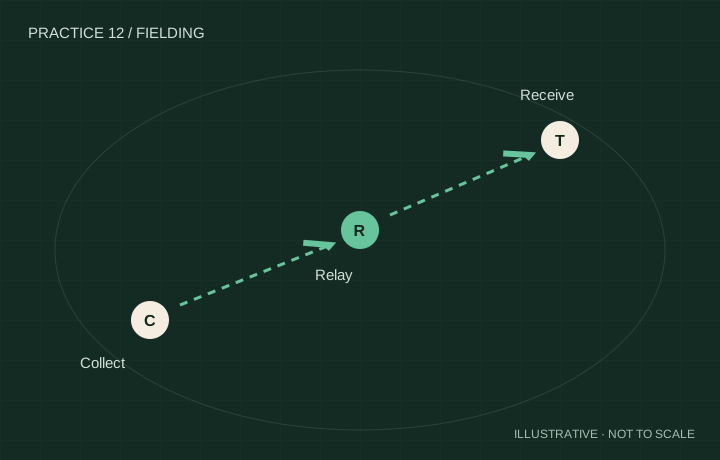
Set three positions in a line: collector, relay and target receiver. Choose distances that allow controlled throws and keep other groups well apart.
Equipment: Soft ball, cones, stumps.
How to run it
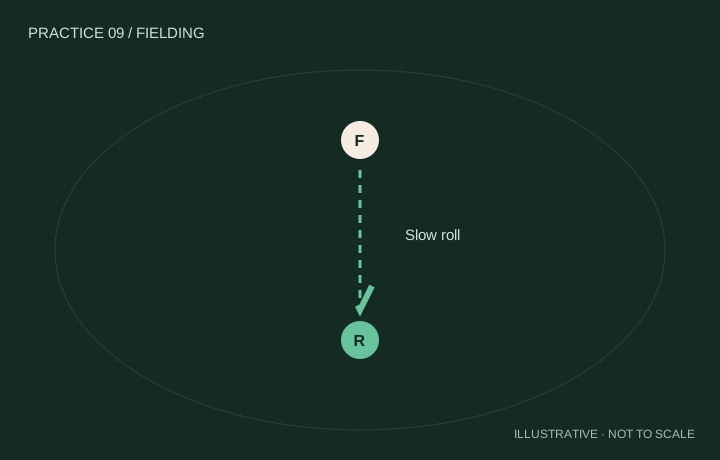
- Roll the ball to the collector.
- The relay player shows ready hands and calls.
- The collector makes a controlled return.
- The relay gathers, turns in balance and returns to the receiver.
- Rotate all roles after a short set.
Check the next receiver is ready before releasing.
A common mistake—and the fix
Throwing before the relay has turned creates danger and rushed catches. Require a ready call.
Use short underarm throws between positions.
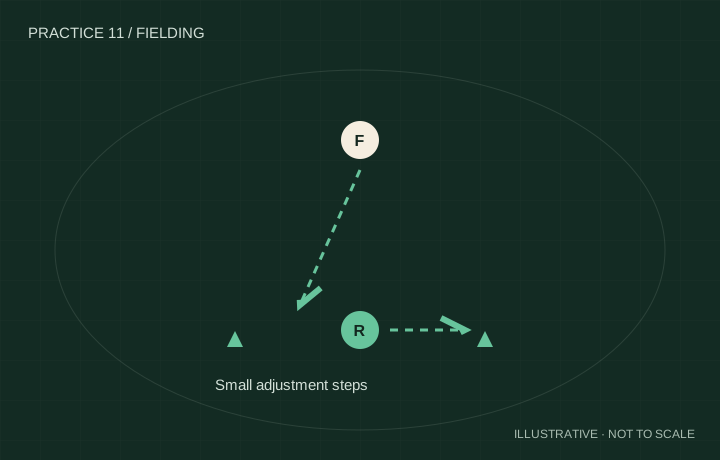
Move the collector a little sideways so the relay adjusts into line.
What to measure
Count complete sequences with two controlled catches.
Use the first round as the player’s starting point. Keep distance, ball and target size the same when comparing another round. These counts are practice observations, not selection standards or promises of improvement.
Before you start
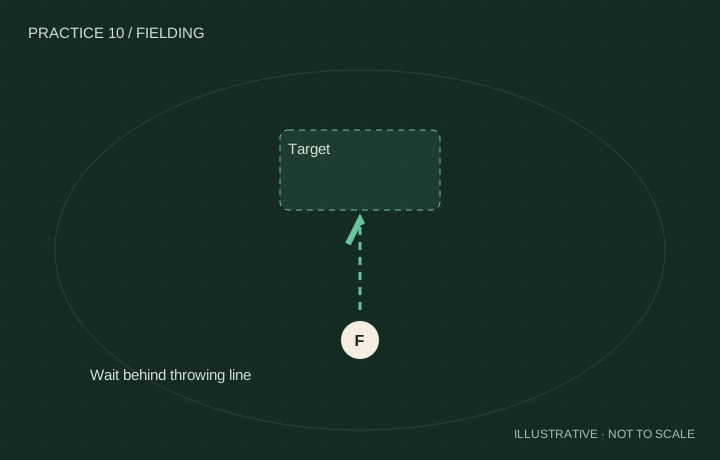
Keep return lanes clear. Do not turn this into a maximum-distance throwing competition.
Use a soft ball for the version described here. Explain the stop signal, check the surface and keep waiting players clear. Adapt or stop if a player feels pain, distress or fatigue. Read the full safety and supervision guide.
Questions about this drill
What does relay return help players practise?
A relay return works when the first fielder chooses a reachable teammate and the relay player is ready to receive. Accuracy between players matters more than one powerful throw.
How can I adapt this drill for a less confident player?
Shorten both passes and begin with underarm throws. Add distance only when both receivers are ready and the route is clear.
What should I look for before increasing the challenge?
Check that the relay receiver is ready and both throws travel through the agreed safe lane.