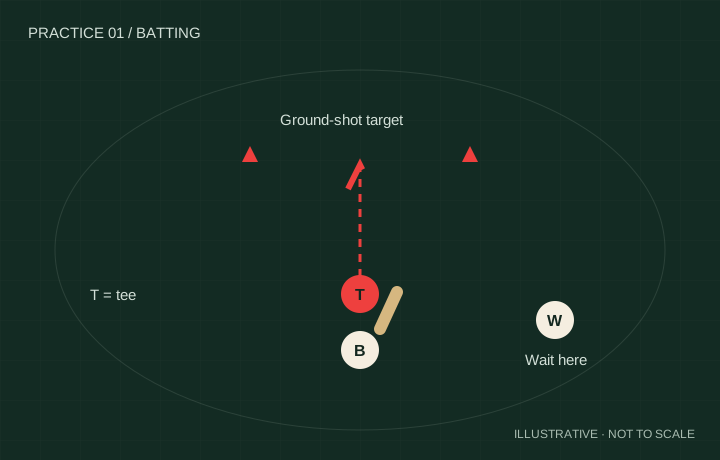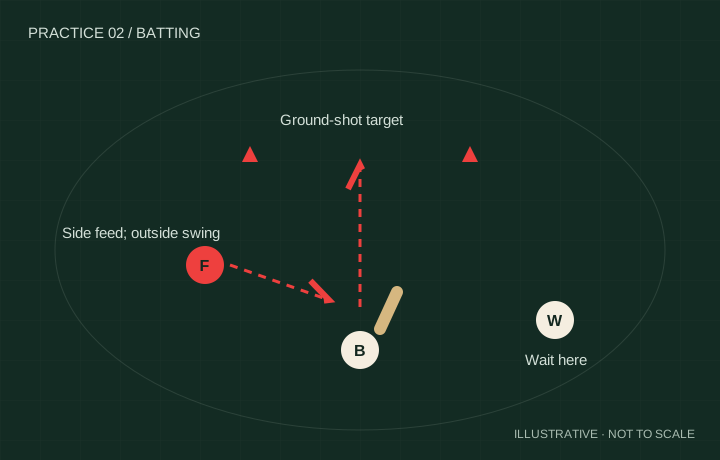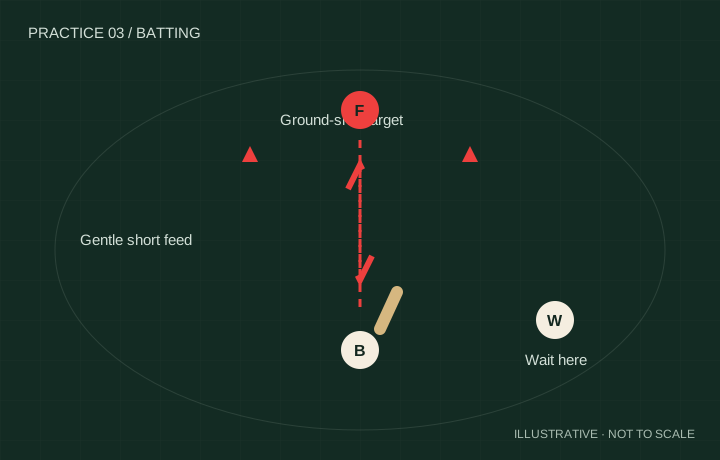
A good shot does not always mean there is a run. In this practice, a batter plays into a marked area, then checks the field and communicates with a partner before setting off. The aim is to link contact, a clear call and a safe decision. If the batter runs straight after making contact, pause the activity and ask both partners to point to the imaginary fielder first. Resume only when they can agree on a call and respond together. Allow about 12 minutes for the station, including explanation, turns and rest.
Set up the drill
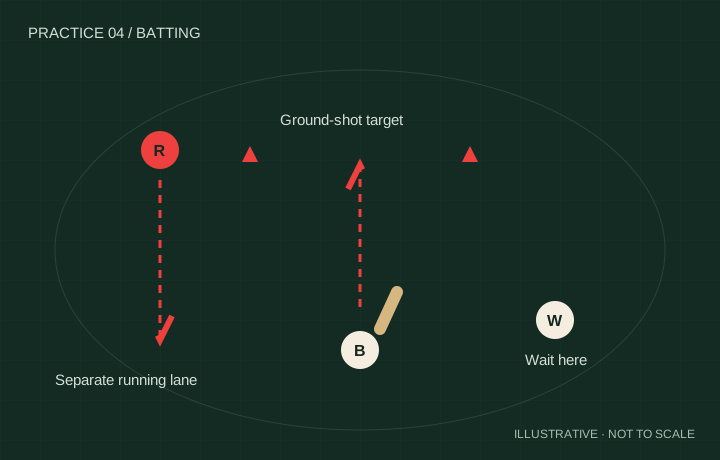
Mark two short creases and one batting lane. Place a fielder beyond a wide scoring gate, with the runner’s lane separate from the return path.
Equipment: Bat, soft ball, 6 cones.
How to run it
- Start with a stationary soft ball on a tee.
- The batter plays a controlled ground shot.
- Partners call yes, no or wait based on the ball and fielder.
- Run only when both understand the decision.
- Reset after one run and rotate roles.
Make the decision together before accelerating.
A common mistake—and the fix
Running automatically after contact ignores the fielder. Pause the exercise and ask what made the run safe.
Remove the fielder and let the coach call yes or no.
Let the fielder start in one of two visible positions.
What to measure
Score clear agreed calls and completed safe runs; do not reward a risky run.
Use the first round as the player’s starting point. Keep distance, ball and target size the same when comparing another round. These counts are practice observations, not selection standards or promises of improvement.
Before you start
Use no live throw at the runners. Return the ball only after both have stopped.
Use a soft ball for the version described here. Explain the stop signal, check the surface and keep waiting players clear. Adapt or stop if a player feels pain, distress or fatigue. Read the full safety and supervision guide.
Questions about this drill
What does call-and-run batting help players practise?
Batting and running are linked decisions: the pair must notice where the ball goes, make an early call and respond together. Look for a clear decision before either player sets off.
How can I adapt this drill for a less confident player?
Remove the fielder first. Let the coach call the run while the pair practise listening and moving without rushing.
What should I look for before increasing the challenge?
Listen for a clear call and watch whether both players make the same decision. Stop the drill if their running lanes cross.