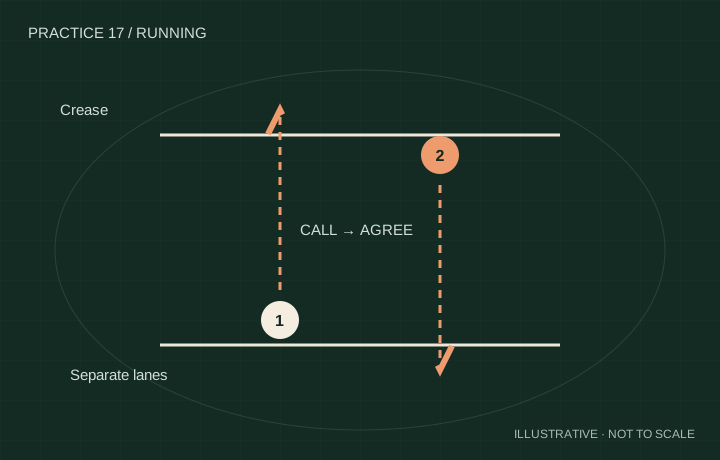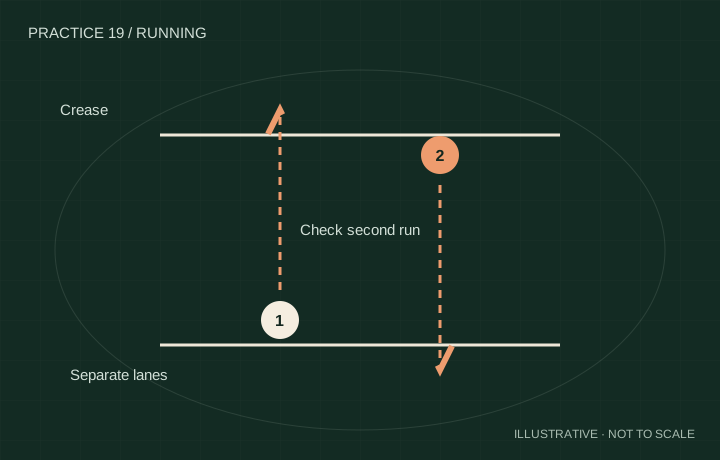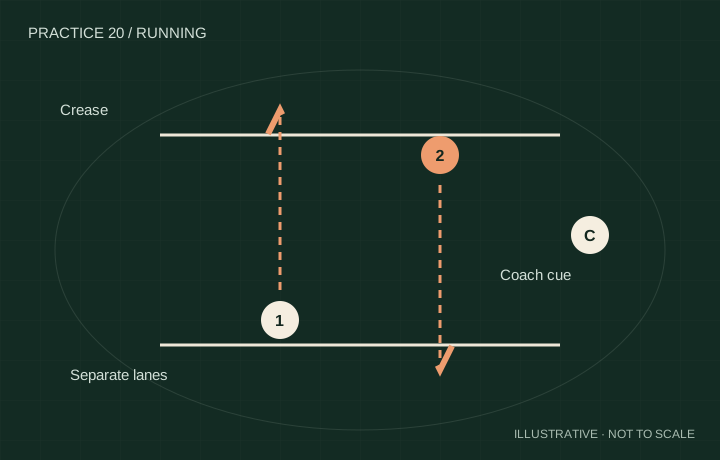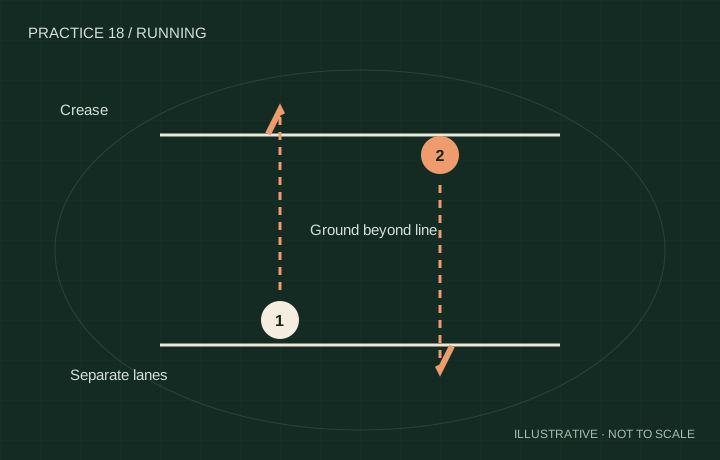
Reaching the crease is only part of completing a run. Players also need to ground the bat, turn smoothly and stay in their own running lane. Short, separate lanes allow them to practise the movement before increasing their pace. If the bat stays short of the line, let the runner walk through the turn and watch where the bat touches down. Increase pace only when the same safe route can be repeated without looking at their feet. Allow about 10 minutes for the station, including explanation, turns and rest.
Set up the drill
Mark two short creases on an even surface. Give each runner a separate lane with extra stopping space.
Equipment: Lightweight bats, flat crease markers.
How to run it
- Walk to the far crease.
- Ground the bat beyond the line without lunging.
- Turn in balance and look towards the partner or play.
- Return at a comfortable jog.
- Rest and repeat with the same controlled sequence.
Complete the crease before turning.
A common mistake—and the fix
Turning too early leaves the bat short. Slow down and check the grounding point.
Walk without a bat and step beyond the line.
Add a partner call for a second run while keeping the pace controlled.
What to measure
Count correctly completed creases rather than fastest times.
Use the first round as the player’s starting point. Keep distance, ball and target size the same when comparing another round. These counts are practice observations, not selection standards or promises of improvement.
Before you start
No sliding or diving. Check the surface for wet patches and keep bat tips away from others.
Use a soft ball for the version described here. Explain the stop signal, check the surface and keep waiting players clear. Adapt or stop if a player feels pain, distress or fatigue. Read the full safety and supervision guide.
Questions about this drill
What does crease-and-turn help players practise?
A completed run needs the bat or the runner to make the ground beyond the crease. Here the focus is on arriving under control, grounding the bat and turning without losing balance.
How can I adapt this drill for a less confident player?
Walk the route first and practise crossing the line before adding a bat. Keep the turning area clear of other players.
What should I look for before increasing the challenge?
Check that the bat is grounded beyond the line and the runner turns without slipping or drifting into another lane.