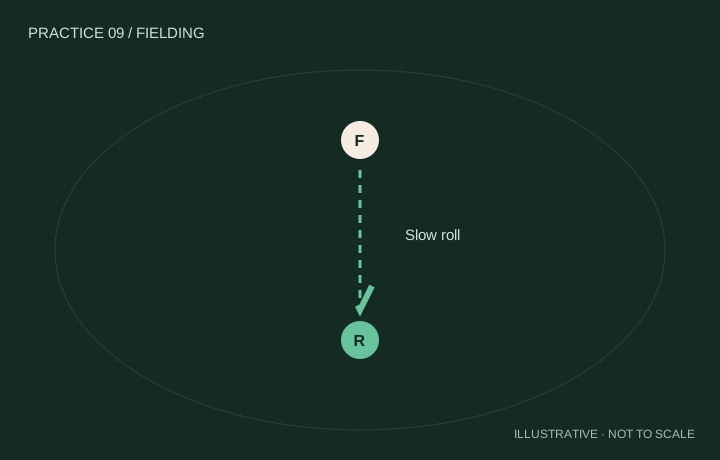
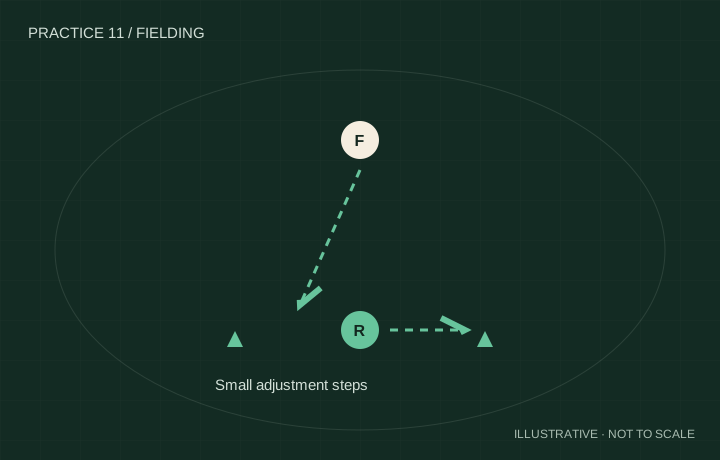
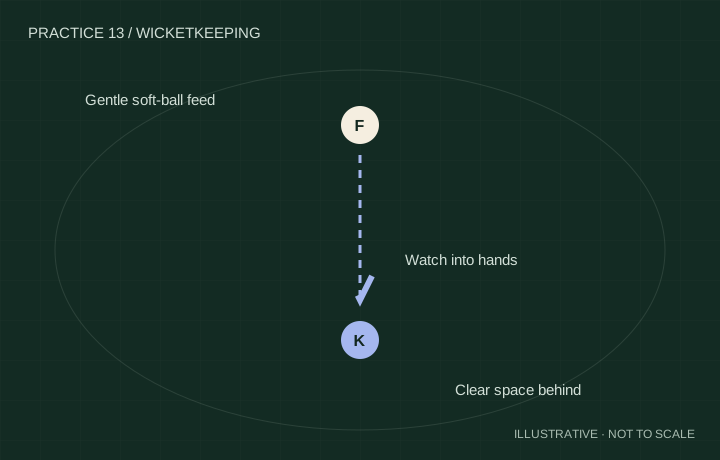
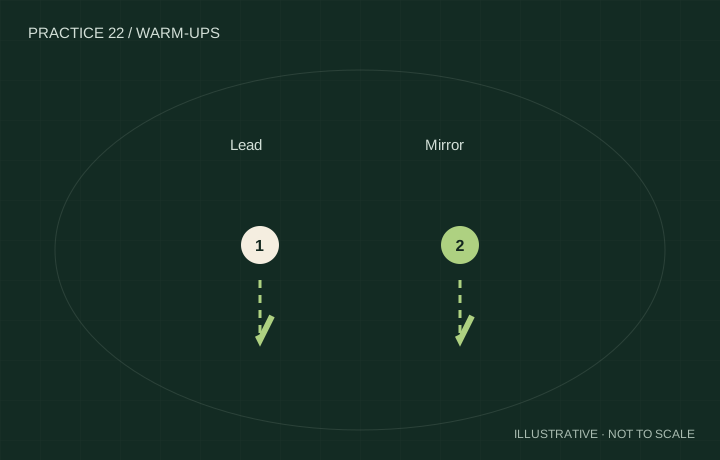
At home, choose a safe activity that fits the actual space. Gentle soft-ball receiving, rolling and mirror movements can work in a clear area. Batting, bowling and running need more room and should not be squeezed around furniture, traffic or windows.
Check the space before the drill
Remove breakables, pets and trip hazards. Consider where a missed ball could go and whether someone might walk into the area. If you cannot create a clear safe zone, use a no-ball movement task instead.
Use a forgiving ball
A foam ball or another appropriate soft practice ball is a better starting point than a hard cricket ball. Test the bounce gently. Do not use improvised objects that are heavy, hard or unpredictable.
Keep the session short and cooperative
Choose one activity and stop while the player is still comfortable and engaged. Ask which version they want to try. Repeated failure, tiredness or frustration is a reason to simplify or finish, not to add pressure.
Practise without a partner
A player can rehearse a balanced ready position or careful footwork in a clear area. Do not bounce balls off fragile walls or use a bat in a cramped room. A solo rehearsal is preparation, not a substitute for learning ball judgement with a suitable feed.
Plan your next session
Choose a drill that fits the room or garden you can safely use. Allow time to clear the area, explain the activity and put equipment away. A shorter practice with a comfortable soft ball is better than squeezing in extra activities.