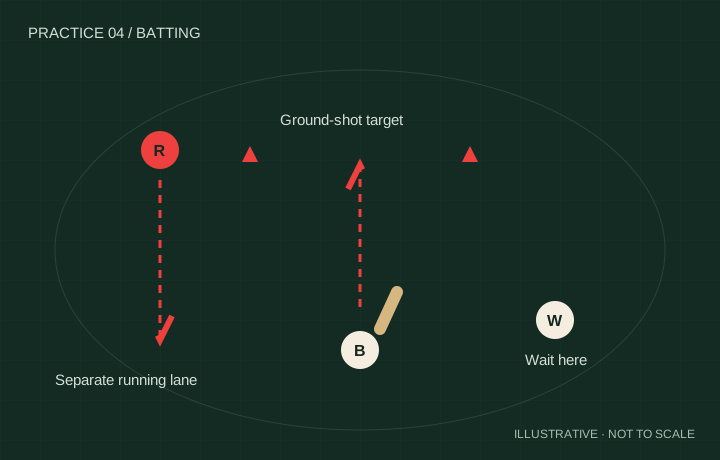
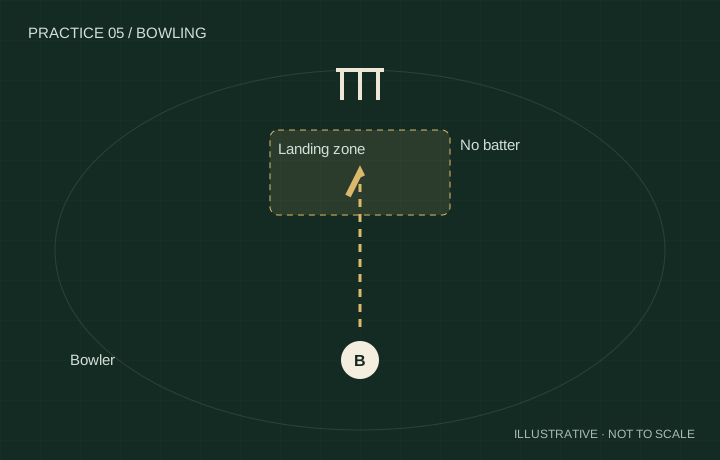
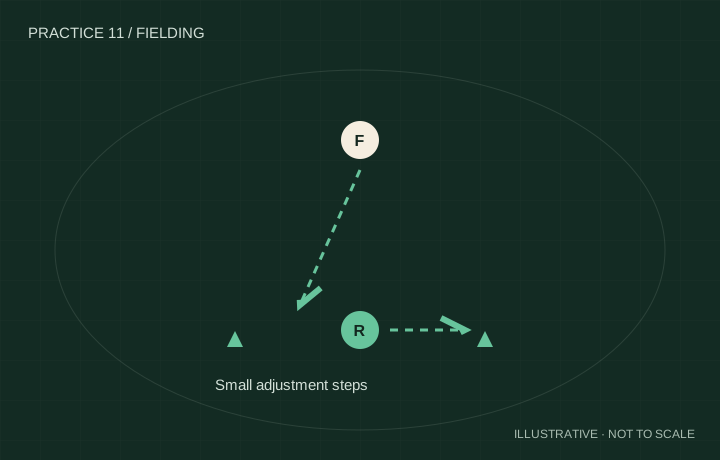
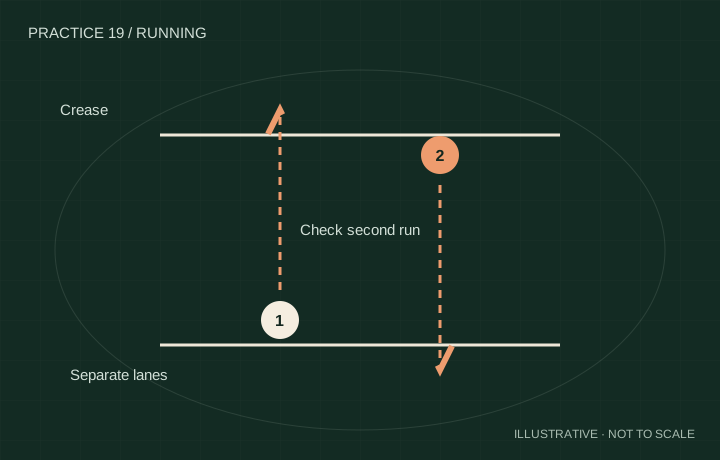
For junior players aged 9–12, combine repeatable skill practice with simple choices. Start at the player’s current level, then vary a target, feed or fielding picture. Keep hard-ball progression under appropriate coaching and protection.
Do not group by age alone
Some players will be new to cricket; others will have several seasons of experience. Use the first few attempts to choose a suitable version. Make it normal for different players to use different distances or targets.
Add decisions gradually
Once a player controls a predictable task, introduce two target options or a yes/no running decision. Keep the physical task manageable so the decision can be learned. Increase complexity only when the player understands the purpose.
Record something useful
Count controlled target hits or clear calls, with the same conditions each time. Note target width and practice distance so comparisons mean something. A practice score should inform the next session, not label a child.
Manage bowling across the week
Match and training bowling both contribute to workload. Ask about other cricket commitments and use the applicable junior guidance. Do not treat a 12-minute station as permission for uninterrupted bowling.
Plan your next session
Choose a familiar activity and one new decision for the session. Check whether players are also training or playing elsewhere, particularly before adding bowling. Leave space in the plan for rest and feedback.