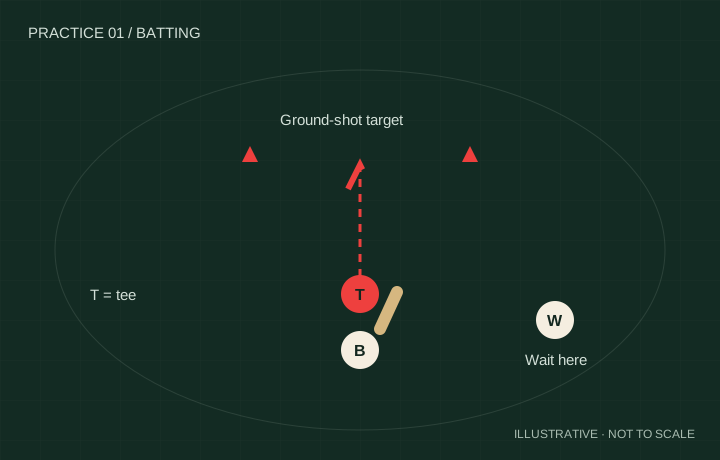
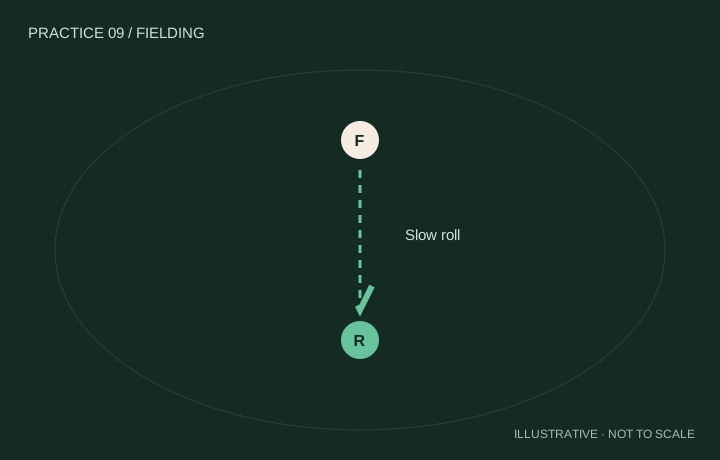
For many children aged 5–8, simple soft-ball games are a useful starting point. Choose a large forgiving target, short turns and one instruction at a time. Age alone does not determine readiness.
Keep the game understandable
Show the action rather than giving a long explanation. Name one goal such as “roll to your partner” and let everyone try. Use a clear stop word and practise responding to it before bats or balls are active.
Change the equipment before the child
A larger foam ball, shorter distance or wider gate can turn repeated misses into a task the child can explore. Offer an underarm roll before a catch. Let children walk rather than run when that helps control.
Make participation the score
Avoid elimination games that remove the children who most need practice. Use shared goals, rotate roles and notice effort and safe choices. Keep turns short enough that no one spends most of the session waiting.
Help parents join in safely
Explain where adults and waiting children should stand. Ask parents to support the agreed cue rather than adding several competing instructions. Keep collecting balls separate from swinging or throwing.
Plan your next session
Pick a simple game that allows frequent, safe turns with an appropriate soft ball. Plan time to demonstrate the stop signal and help children change activities. Shorten the session when attention or comfort drops.