A wicketkeeper needs to follow the ball after it pitches, not guess where it will arrive. A marked bounce point gives the keeper a steady first challenge: stay in line, watch the bounce and collect the soft ball without snatching. If the keeper reaches across their body, place the next gentle bounce directly in front before moving it slightly to one side. Watch the eyes stay on the ball until the gather is complete. Allow about 10 minutes for the station, including explanation, turns and rest.
Set up the drill
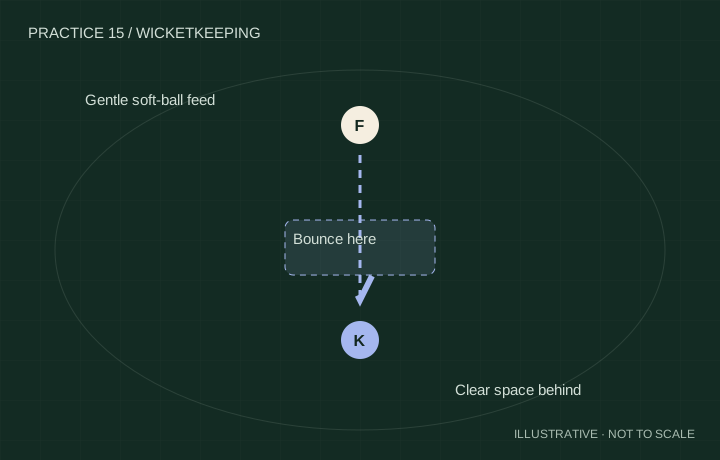
Mark a bounce point between feeder and keeper on a level surface. Use a soft ball with a manageable bounce.
Equipment: Soft ball, flat bounce marker.
How to run it
- Show the keeper the expected bounce.
- Feed gently onto the marker.
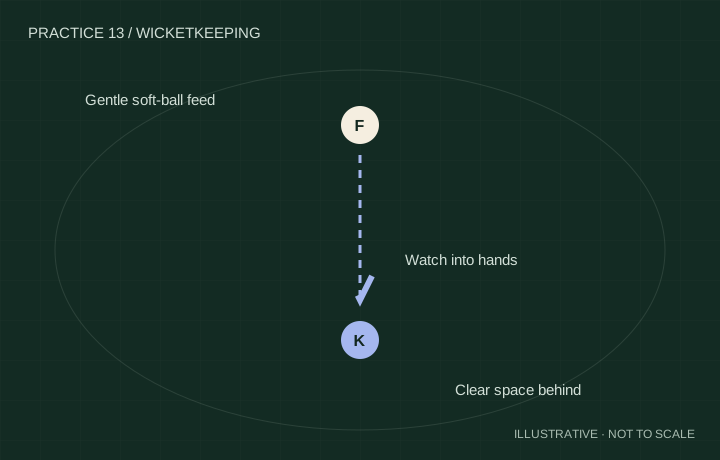
- The keeper tracks the ball after it bounces.
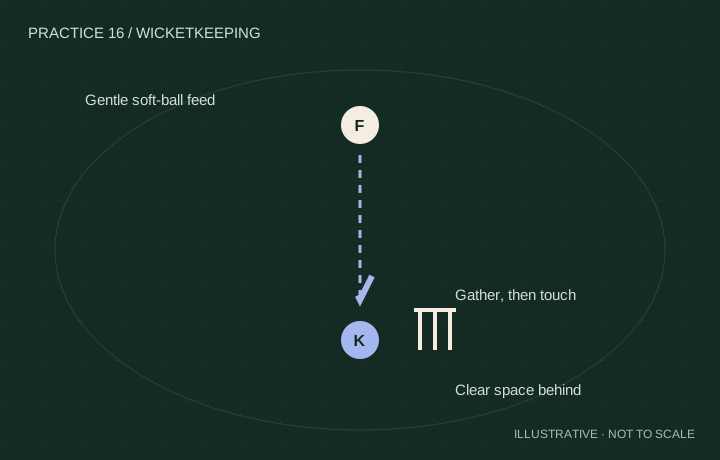
- Gather with two hands in a comfortable position.
- Reset and change roles after five feeds.
Follow the bounce before moving your hands.
A common mistake—and the fix
Guessing the bounce too early leads to a reach. Slow the feed and keep the bounce point consistent.
Move closer and use a larger ball.
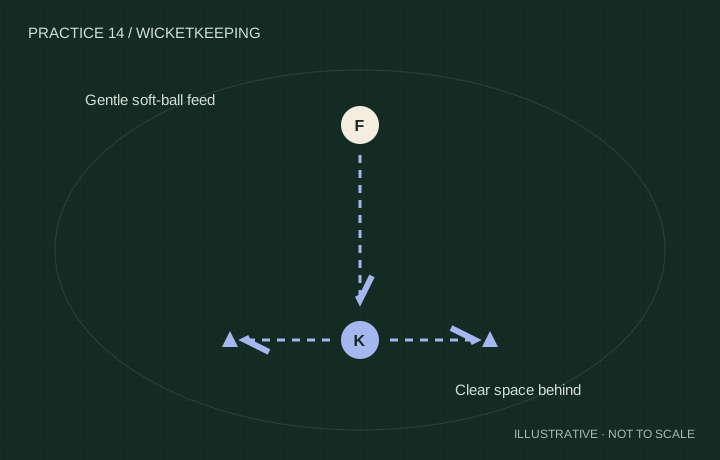
Shift the bounce point a little to either side.
What to measure
Count controlled gathers from five predictable bounces.
Use the first round as the player’s starting point. Keep distance, ball and target size the same when comparing another round. These counts are practice observations, not selection standards or promises of improvement.
Before you start
Do not use erratic surfaces, hard balls or fast feeds for this introductory activity.
Use a soft ball for the version described here. Explain the stop signal, check the surface and keep waiting players clear. Adapt or stop if a player feels pain, distress or fatigue. Read the full safety and supervision guide.
Questions about this drill
What does bounce-and-gather help players practise?
The keeper practises judging where a soft ball will bounce, moving into its path and collecting it calmly. A clean gather matters more than speed at this stage.
How can I adapt this drill for a less confident player?
Try a larger, softer ball and let the keeper see several identical feeds before changing the bounce point.
What should I look for before increasing the challenge?
Look for eyes following the bounce and hands collecting the ball securely. A controlled gather counts even if it takes longer.