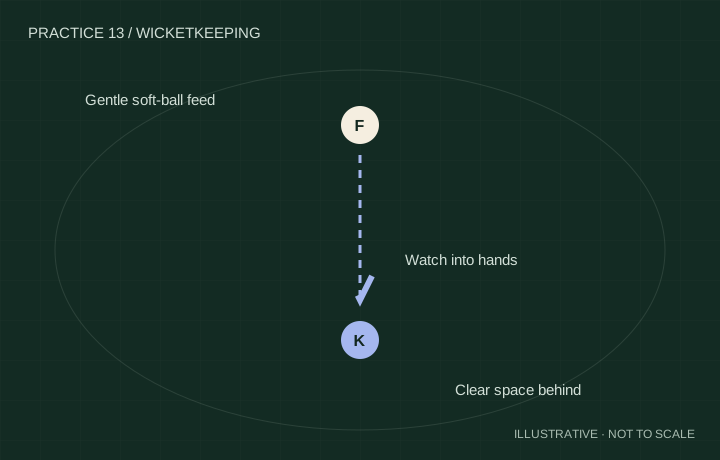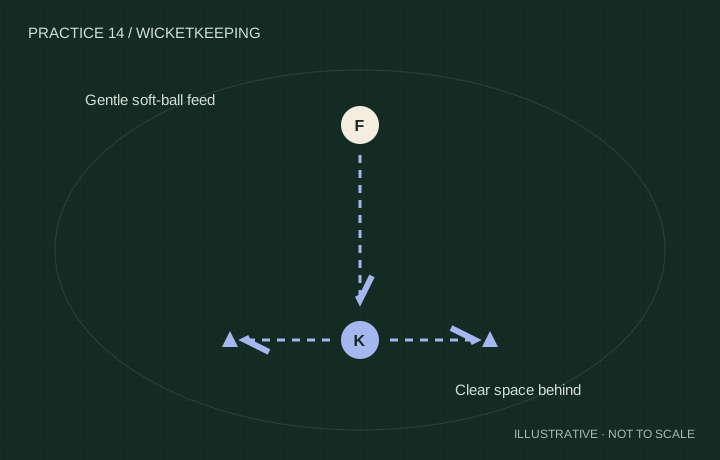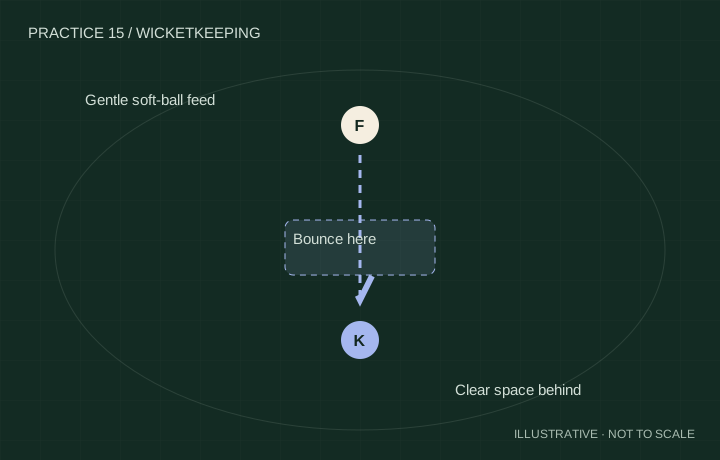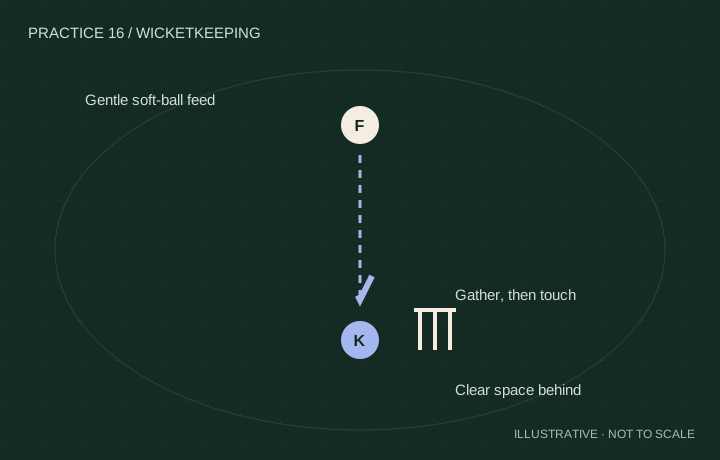
A wicketkeeper can lose control by trying to touch the stumps before holding the ball securely. In this practice there is no batter or runner: the keeper receives a soft feed, completes the gather and then moves the ball towards nearby plastic stumps. If the keeper moves to the stumps with the ball still loose, separate the actions: receive, pause to show a secure gather, then approach the stumps. Remove the pause only when control is consistent. Allow about 12 minutes for the station, including explanation, turns and rest.
Set up the drill
Put plastic stumps beside the keeper’s receiving position. Use a feeder in front and no batter or runner.
Equipment: Soft ball, plastic stumps.
How to run it
- Receive a gentle soft-ball feed.
- Pause briefly to confirm control.
- Move the ball-holding hand to the stumps.
- Touch the stumps gently while staying balanced.
- Reset before the next feed.
Gather first, then move to the stumps.
A common mistake—and the fix
Reaching for the stumps before securing the ball causes drops. Restore the pause between actions.
Use a stationary ball picked up from a safe height.
Reduce the pause while keeping a visibly secure gather.
What to measure
Count clean gather-and-touch sequences, not speed alone.
Use the first round as the player’s starting point. Keep distance, ball and target size the same when comparing another round. These counts are practice observations, not selection standards or promises of improvement.
Before you start
No live bat, runner or forceful stump contact. This is coordination practice, not a contested stumping drill.
Use a soft ball for the version described here. Explain the stop signal, check the surface and keep waiting players clear. Adapt or stop if a player feels pain, distress or fatigue. Read the full safety and supervision guide.
Questions about this drill
What does gather-to-stumps help players practise?
This activity separates two jobs that are often rushed: gathering the ball securely and then moving it to the stumps. Ask the keeper to complete the catch before reaching across.
How can I adapt this drill for a less confident player?
Start with a still ball and plastic stumps. Reintroduce a slow feed when the keeper can collect and transfer the ball without fumbling.
What should I look for before increasing the challenge?
The ball should be secure before the keeper moves towards the stumps. A tidy transfer is better than a hurried miss.