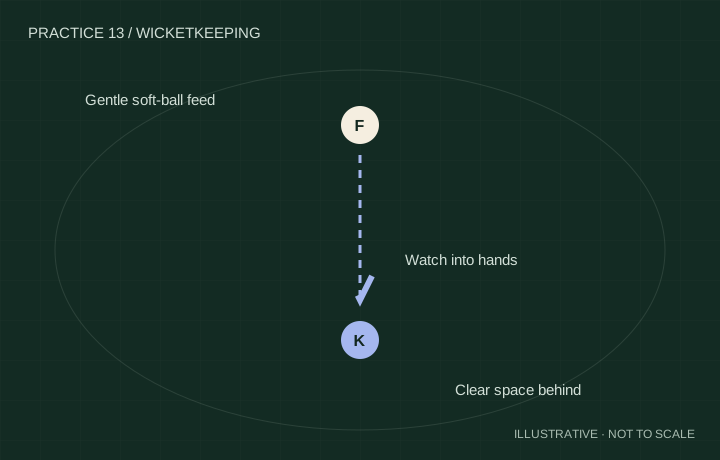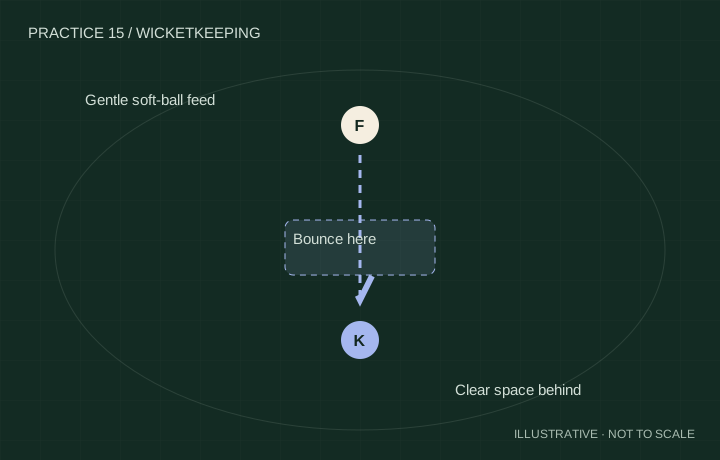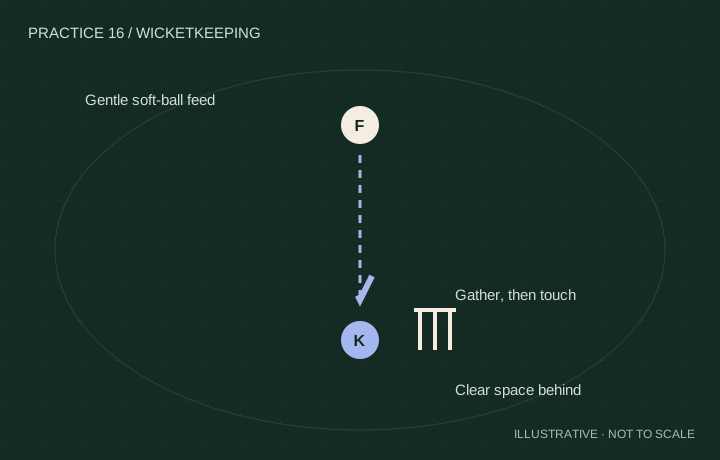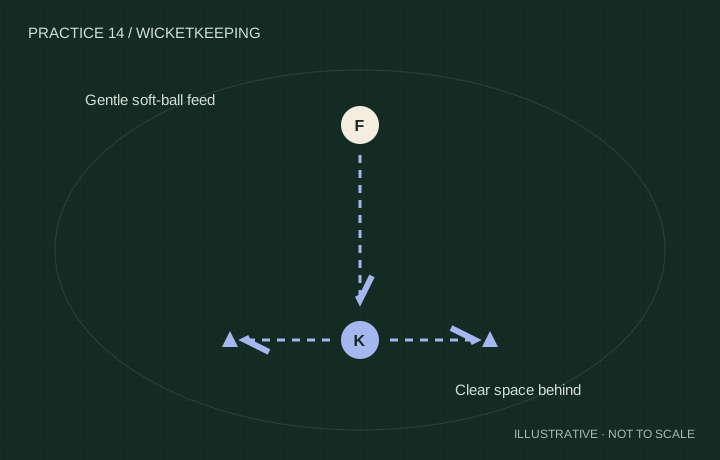
A wicketkeeper often needs one quick sideways adjustment before collecting a ball. Here the keeper starts in the middle, moves towards a nearby marker and receives a gentle feed. The focus is getting into line rather than reaching from an awkward position. If the keeper reaches instead of moving, shorten the sideways feed so one small step brings the body into line. Look for a stable catch position before widening the movement area. Allow about 10 minutes for the station, including explanation, turns and rest.
Set up the drill
Place a centre marker and two side markers a small step away. A feeder stands in front with a soft ball.
Equipment: Soft ball, 3 flat markers.
How to run it
- Start at the centre in balance.
- The feeder indicates a side.
- Move with small side steps towards that marker.
- Receive a gentle feed once set.
- Return to the middle and repeat on the other side.
Move your feet first; keep your eyes on the ball.
A common mistake—and the fix
Crossing the feet in a hurried movement can upset balance. Slow the drill and reduce the distance.
Signal the side well before the feed and allow extra time.
Delay the direction cue slightly, without making the feed faster.
What to measure
Count balanced receptions on each side; compare the two sides.
Use the first round as the player’s starting point. Keep distance, ball and target size the same when comparing another round. These counts are practice observations, not selection standards or promises of improvement.
Before you start
Use flat markers on a non-slip surface. Avoid deep forced crouches or uncomfortable ranges.
Use a soft ball for the version described here. Explain the stop signal, check the surface and keep waiting players clear. Adapt or stop if a player feels pain, distress or fatigue. Read the full safety and supervision guide.
Questions about this drill
What does lateral shuffle help players practise?
The keeper learns to take small sideways steps while keeping the ball in view. The aim is to arrive behind a gentle feed, not to dive or reach from an unbalanced position.
How can I adapt this drill for a less confident player?
Tell the keeper the direction before each feed. Increase the amount of movement only when they stay steady and in line.
What should I look for before increasing the challenge?
Watch for small side steps followed by a settled catch. Reaching while the feet are still moving makes the task harder.