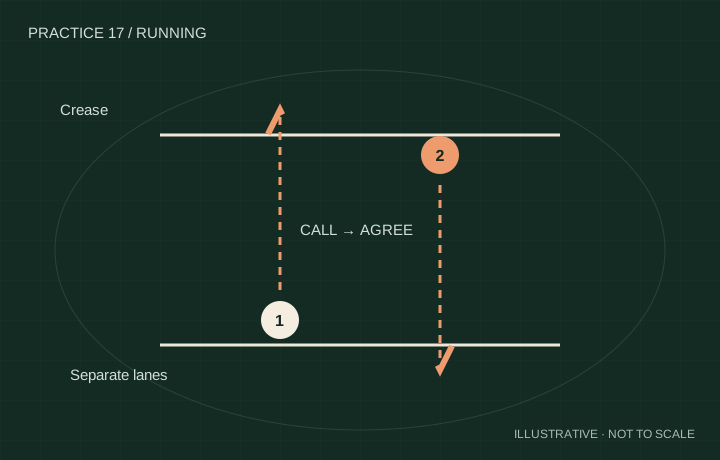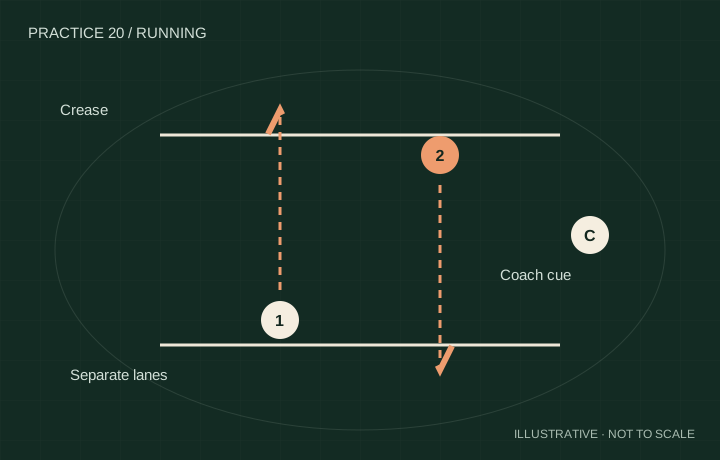
Running between wickets depends on seeing what happens and responding together. A coach shows and calls a cue while two players decide whether to move or stay. This practice separates the decision from a fast, competitive run. If partners respond to the card without speaking, pause after the cue and require the designated caller to make the decision aloud. Return to walking pace until both players respond to the same call. Allow about 10 minutes for the station, including explanation, turns and rest.
Set up the drill
Set two short creases. A coach stands to one side holding two contrasting cue cards; also name the cue aloud for players who need it.
Equipment: Cones, coloured cue cards.
How to run it
- Explain which cue means run and which means hold.
- Partners start ready and look towards the coach.
- Show the cue and let the designated caller decide.
- The partner responds to the call.
- Switch roles after several attempts.
Look, decide, call, then move.
A common mistake—and the fix
Moving on the card without listening to the partner removes teamwork. Reset and wait for the call.
Use one clear verbal cue and walk.
Change when the cue appears while keeping enough time for a safe decision.
What to measure
Count correct calls and shared responses; do not score reaction speed alone.
Use the first round as the player’s starting point. Keep distance, ball and target size the same when comparing another round. These counts are practice observations, not selection standards or promises of improvement.
Before you start
Use symbols or spoken cues as well as colour. Leave safe stopping space at both ends.
Use a soft ball for the version described here. Explain the stop signal, check the surface and keep waiting players clear. Adapt or stop if a player feels pain, distress or fatigue. Read the full safety and supervision guide.
Questions about this drill
What does watch-and-respond help players practise?
The runner must notice a visible cue and choose a response rather than move automatically. Pause between turns to check what the player saw before they made the call.
How can I adapt this drill for a less confident player?
Use one clear cue at walking pace. Add a second choice only when the player understands the first.
What should I look for before increasing the challenge?
Ask players which cue they saw and why they moved. Correct decisions matter more than fast reactions.