Mixed messages can leave batting partners unsure whether to run. This practice gives both players time to hear and respond to three simple calls: yes, no and wait. Begin at a walking pace so the decision stays clear. If both partners call different instructions, stop and agree who makes the first call in that practice round. Rehearse each response while stationary before adding movement down the lane. Allow about 8 minutes for the station, including explanation, turns and rest.
Set up the drill
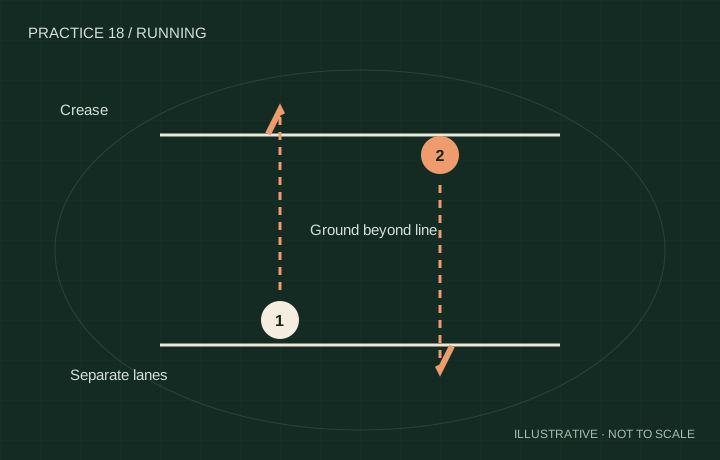
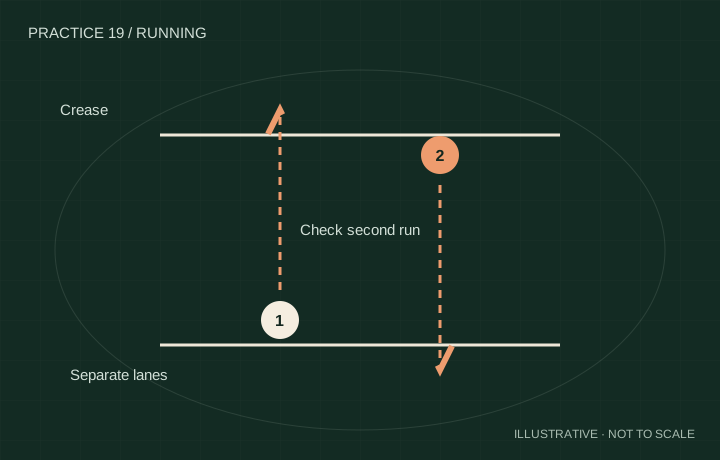
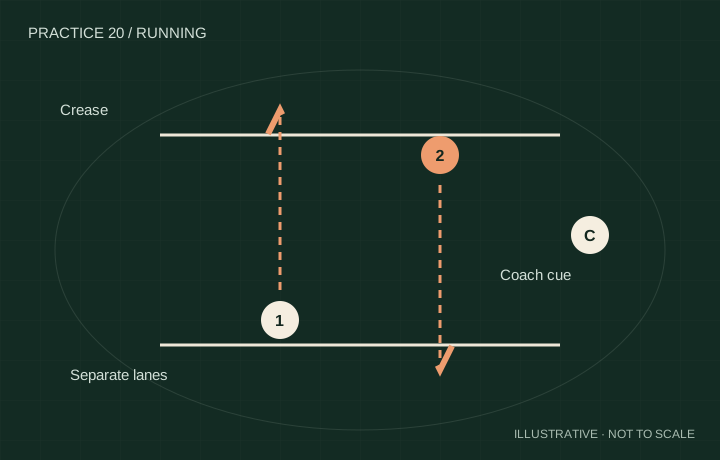
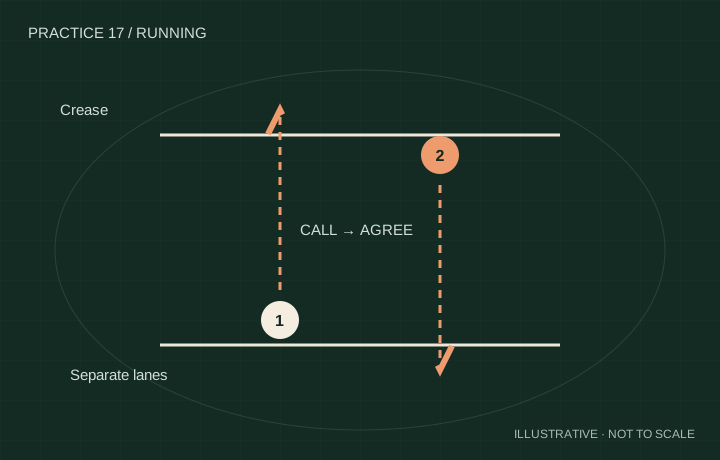
Mark two short creases and separate running lanes. Agree that yes means go, no means stay, and wait means hold while assessing.
Equipment: Cones, optional lightweight bats.
How to run it
- Walk through each call.
- One partner gives a clear call.
- Both respond only when they understand it.
- Use a stop signal to reset if calls conflict.
- Swap the caller after several attempts.
Be loud, early and clear.
A common mistake—and the fix
A quiet or late call creates uncertainty. Practise the voice while standing still before adding movement.
Walk without bats over a shorter distance.
Let a coach show a simple fielding picture that informs the call.
What to measure
Count clear calls with a matching response from both players.
Use the first round as the player’s starting point. Keep distance, ball and target size the same when comparing another round. These counts are practice observations, not selection standards or promises of improvement.
Before you start
Keep lanes separate and avoid sudden races. Do not use punishment for a mistaken call.
Use a soft ball for the version described here. Explain the stop signal, check the surface and keep waiting players clear. Adapt or stop if a player feels pain, distress or fatigue. Read the full safety and supervision guide.
Questions about this drill
What does yes-no-wait help players practise?
Two batters practise using the same simple calls and reacting together. Good communication means stopping on a no or wait as confidently as setting off on a yes.
How can I adapt this drill for a less confident player?
Walk a short distance without bats and practise the calls first. Add a gentle ball only when both players understand the signals.
What should I look for before increasing the challenge?
Listen for one clear call and a matching response. Practise stopping as deliberately as running.