Indoor cricket practice should use an approved clear space, suitable soft balls and separate lanes. Prioritise controlled receiving, rolling and footwork. A drill marked indoor-suitable still needs a space and supervision check.
Check the venue rules
Confirm what balls and activities the hall permits. Check floor grip, exits, windows, ceiling fittings and other users. Do not assume a sports hall is safe for hard-ball cricket or full batting swings.
Keep travel predictable
Use short, controlled feeds and marked lanes. Pause a station if a ball crosses into another group’s area. Avoid high catches, diving and long throws where ceilings, walls or adjacent stations create hazards.
Build a compact session
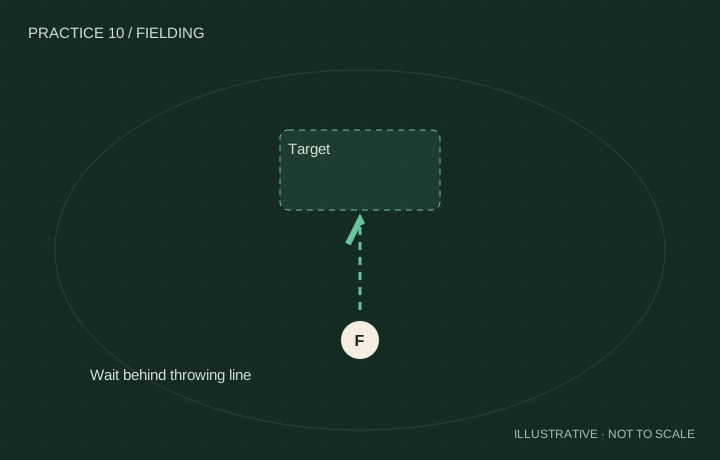
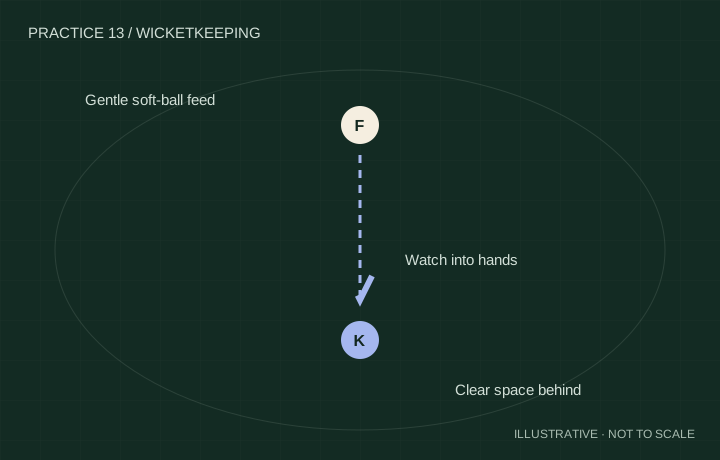
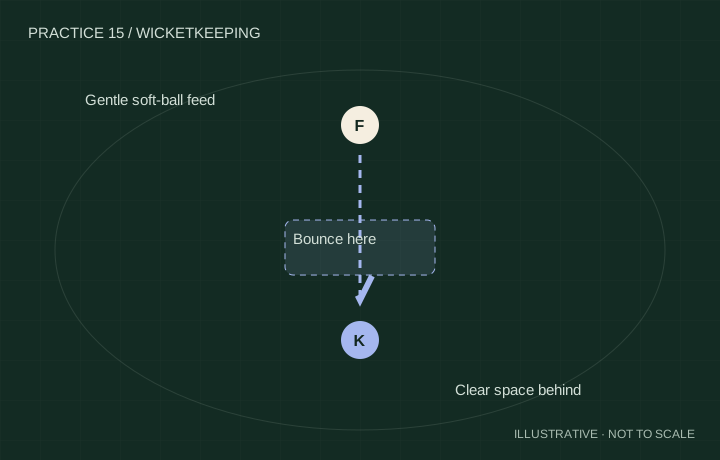
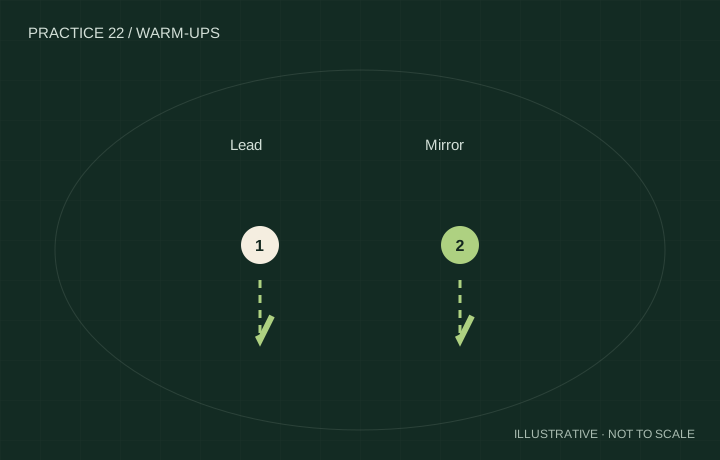
Start with mirror footwork, then rotate between soft-hands receiving and roll-and-gather. Use underarm targets only where a safe backstop and clear throwing lane exist. Add time for equipment reset and water.
Adjust for noise and attention
Use a visible stop gesture as well as a spoken signal. Demonstrate where players should look before returning a ball. Ask players to repeat the safety rule in their own words before starting.
Plan your next session
Choose drills that stay inside the marked lanes and suit the venue rules. Allow enough time for groups to change stations without crossing a throwing area. Keep the session planner open if you need to adjust the order.