
Jasprit Bumrah is back in India's Test squad, but Rishabh Pant remains a fitness concern as Shubman Gill prepares his side for a difficult two-match series against New Zealand in November. The BCCI confirmed the 16-member squad on 16 October 2026, bringing back India's leading fast bowler while naming Pant subject to medical clearance.
The timing of Bumrah's return could hardly be more important. India have not won a Test series in New Zealand since 2009, and their most recent visit in 2020 ended in a 2-0 defeat. Two years ago, the BLACKCAPS also achieved something no visiting side had managed before: beating India 3-0 in a three-match Test series on Indian soil.
Those results give the upcoming tour an edge that goes well beyond squad selection. India arrive with several talented players, an evolving leadership group and a bowling attack capable of troubling any opposition. Yet their recent record against New Zealand raises an uncomfortable question: can this generation succeed where some of India's strongest previous teams struggled?
Bumrah Returns to Lead India's Pace Attack
Bumrah's return is the biggest positive in the selection announcement. The 32-year-old missed India's previous World Test Championship assignment against Sri Lanka after being withdrawn from the squad, but he is now available for a tour where his skills could be particularly valuable.
His Test record explains his importance. According to the ICC's figures released on 17 October, Bumrah has a bowling average of 19.79 across 52 Tests. He has also taken 29 wickets in the current World Test Championship cycle, despite missing India's most recent series.
Few bowlers combine accuracy, pace and movement as effectively as Bumrah. His unusual release point makes it difficult for batters to judge the ball early, while his ability to bowl yorkers and change lengths allows him to remain dangerous even when conditions offer little assistance.
In Wellington and Christchurch, where seam movement can become an important factor, those qualities could give India an advantage. Bumrah does not need a perfect pitch to create chances, but conditions that assist fast bowling could make him particularly difficult to face.
India have also selected Mohammed Siraj, Akash Deep, Prasidh Krishna and Anshul Kamboj, with Nitish Kumar Reddy providing another seam-bowling option. Siraj has taken 43 wickets in the current World Test Championship cycle, more than any other Indian bowler.
That creates an interesting choice for Gill. Bumrah brings proven quality, but selecting the right bowlers around him will be just as important. India cannot rely on one outstanding spell to win a Test match; their attack must be capable of maintaining pressure across long innings.

Pant's Injury Leaves India With a Difficult Decision
While Bumrah's availability gives India confidence, Pant's fitness remains unresolved.
The wicketkeeper-batter sustained a left side strain while captaining Rest of India in the Irani Cup. The injury ruled him out of the first two India A matches against New Zealand A, with Kumar Kushagra named as his replacement. The BCCI confirmed on 12 October that Pant was recovering under the supervision of its medical team.
His inclusion in the senior squad suggests India want him available, but there is an important difference between being selected and being cleared to play.
Pant's value extends beyond his wicketkeeping. His attacking batting has often helped India recover from difficult positions, particularly when opposition bowlers have established control.
A reminder came during the final Test against New Zealand in Mumbai in November 2024. With India chasing 147, Pant made 64 and kept the contest alive while wickets fell around him. New Zealand eventually won by 25 runs to complete their historic series sweep, but Pant's innings showed his ability to change the direction of a match under pressure.
His absence would therefore affect India's batting approach as well as its wicketkeeping plans. Dhruv Jurel offers a specialist replacement, although the two players bring different styles to the middle order.
The selectors must also consider the physical demands of a five-day Test. A wicketkeeper recovering from a side injury needs to be fit enough to move, dive and remain behind the stumps for extended periods.
India have a capable alternative in Jurel, so rushing Pant back would offer little benefit if he is not fully ready. The medical team's assessment will be one of the most important developments before the Wellington Test.
Why New Zealand Have Become Such Difficult Opponents
To understand the importance of this tour, India only need to look at what happened on their previous Test visit.
In February 2020, Virat Kohli's side arrived in New Zealand as the world's top-ranked Test team. It had enjoyed considerable success away from home, including a historic series victory in Australia in 2018–19.
However, New Zealand exposed weaknesses in India's batting during both Tests.
At Wellington's Basin Reserve, India were dismissed for 165 in their first innings. Tim Southee and Kyle Jamieson took four wickets each, putting the visitors under pressure before they had settled into the match. New Zealand went on to win by ten wickets.
The second Test in Christchurch followed a similar pattern. India reached 194/4 in their first innings before losing their final six wickets for just 48 runs. Jamieson finished with 5/45, and India later collapsed to 124 in their second innings as New Zealand completed a seven-wicket victory.
The problem was not simply unfamiliar conditions. India repeatedly lost wickets in groups, allowing New Zealand to turn competitive periods into match-winning advantages.
The rivalry continued at the 2021 World Test Championship final in Southampton, where New Zealand defeated India by eight wickets. Jamieson's five-wicket haul in India's first innings again demonstrated how effective disciplined seam bowling could be against their batting order.
Then came the remarkable 2024 series in India.
New Zealand dismissed the hosts for 46 in Bengaluru, won the second Test in Pune by 113 runs and completed the sweep with a 25-run victory in Mumbai. Their success came on very different pitches, showing that the BLACKCAPS were capable of winning through both seam and spin.
That history does not decide what happens in November 2026. The players, leadership and circumstances have changed. But it does explain why New Zealand cannot be treated as an ordinary overseas assignment for India.

Gill Must Find the Right Balance Between Experience and Youth
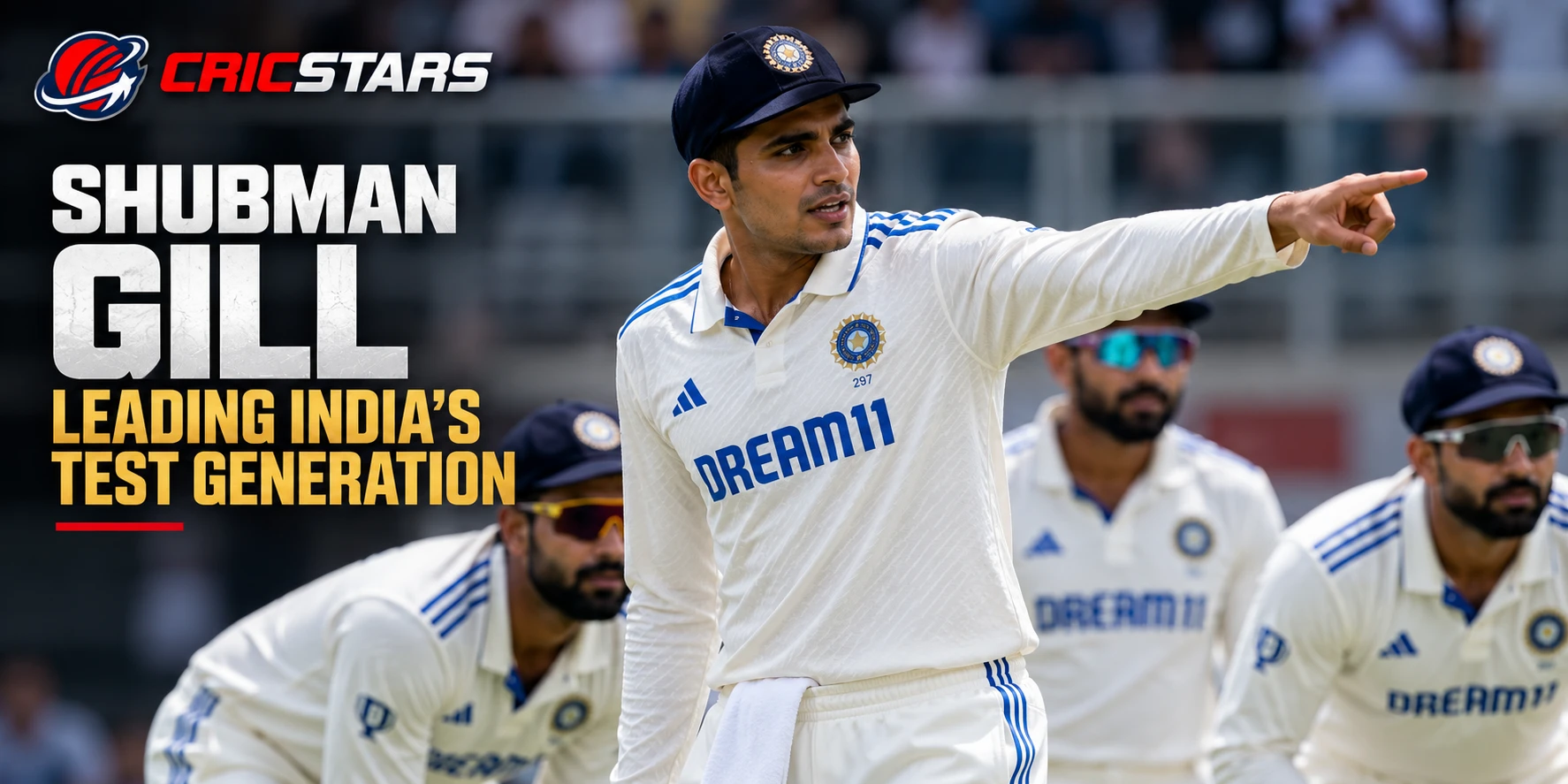
The upcoming series will also test Gill's development as India's Test captain.
The squad includes established players such as KL Rahul, Ravindra Jadeja and Bumrah, alongside younger batters Yashasvi Jaiswal, Sai Sudharsan and Devdutt Padikkal.
Rahul has been appointed vice-captain, giving Gill an experienced partner in a series where decisions may need to change quickly according to conditions.
India's batting selection will be particularly interesting. Jaiswal offers an attacking left-handed option at the top, while Rahul brings the experience of opening in different countries. Gill must decide how to organise the remaining positions without leaving the middle order too vulnerable.
The challenge is likely to be different from batting on Indian pitches. In New Zealand, the ball can continue moving after the opening spell, particularly when conditions favour seam bowling. Batters may need to leave deliveries they would normally attack and accept periods when scoring becomes difficult.
India's 2020 defeats offer a clear lesson. A promising partnership means little if several wickets follow in quick succession.
Gill also has choices to make in the spin department. Jadeja and Washington Sundar offer batting depth, while Kuldeep Yadav provides a different attacking option with his left-arm wrist-spin.
Kuldeep has taken 80 wickets in 19 Tests, according to the ICC's latest figures. His inclusion gives India another way to search for wickets if a pitch becomes slower or offers less help to the fast bowlers.
The difficulty is fitting those options into an attack that must also make full use of Bumrah and Siraj. Gill's selection decisions will reveal how India intend to approach the series.
World Test Championship Points Add Further Pressure
The two Tests are part of the 2025–27 ICC World Test Championship, giving both teams an additional reason to pursue results.
India entered the tour preparations sitting fifth in the standings with a points percentage of 51.52, according to the ICC's 17 October update.
For a team that reached the finals in 2021 and 2023, improving that position will be an important objective. With only two matches against New Zealand, India have limited opportunities to recover from a poor opening result.
The first Test therefore carries significant weight. A defeat in Wellington would leave India needing victory in Christchurch to draw the series, while taking an early lead would put pressure on the hosts.
For New Zealand, the opportunity is equally important. Their recent results against India provide confidence, and playing at home gives them familiarity with the venues and conditions.
The difference could come down to which side performs better when the match becomes difficult. India's bowling strength is clear, but its batters must give the attack enough runs to defend. New Zealand, meanwhile, will need to deal with a fast bowler who has built his reputation on producing wickets in demanding situations.

India vs New Zealand 2026 Test Schedule and Squad
The Tests will follow five T20 internationals and five ODIs, with the tour beginning in Christchurch on 22 October.
| Match | Dates | Venue | NZ Local Time |
|---|---|---|---|
| 1st Test | 19–23 November 2026 | Cello Basin Reserve, Wellington | 11:00 AM NZDT |
| 2nd Test | 27 November–1 December 2026 | Hagley Oval, Christchurch | 11:00 AM NZDT |
India's 16-Member Test Squad
Shubman Gill (captain), Yashasvi Jaiswal, KL Rahul (vice-captain), Devdutt Padikkal, Rishabh Pant (wicketkeeper, subject to fitness clearance), Dhruv Jurel (wicketkeeper), Ravindra Jadeja, Anshul Kamboj, Jasprit Bumrah, Prasidh Krishna, Akash Deep, Sai Sudharsan, Nitish Kumar Reddy, Washington Sundar, Kuldeep Yadav and Mohammed Siraj.

India's Preparation Could Decide More Than Selection
Before the senior Test series begins, several Indian players will have an opportunity to experience local conditions through the India A tour.
Jaiswal, Rahul, Padikkal, Jurel, Washington Sundar and some of India's pace options have been named in the India A squad for three multi-day matches scheduled between 24 October and 10 November.
Those games could prove valuable. Batters will have time to adjust to the movement and bounce, while bowlers can learn which lengths are most effective on New Zealand pitches. The performances may also help selectors understand which combinations are best suited to the Test series.
Pant's recovery will remain a separate concern, with a final decision required before he can take the field. Bumrah, meanwhile, returns knowing India will look to him for leadership with the ball.
The 2020 defeat showed how quickly a Test match in New Zealand can slip away. The 2024 home series showed that even familiar conditions offered India no guarantee of success against the BLACKCAPS.
Gill's side now have an opportunity to answer those defeats with a different performance. The first real indication will come at the Basin Reserve on 19 November, when India's preparation, batting discipline and Bumrah's return are tested against New Zealand in its own backyard.
Sources consulted: Board of Control for Cricket in India (BCCI), International Cricket Council (ICC), New Zealand Cricket, Reuters, BBC Sport.