Session planner ↗ Safety guide
SKILL GUIDE / 04 PRACTICAL ACTIVITIES

Cricket running between wickets drills

Make the call. Complete the run.

Agree simple calls, look for a safe route and practise grounding the bat beyond the crease. Add partner decisions only once both players can stop and turn under control.

How to use these running between wickets drills

Good running depends on shared decisions as much as speed. Practise yes, no and wait with clear voices, but avoid treating a call as permission to run into another player. Shorten the running distance for younger groups and allow a walk-through first.

A simple progression

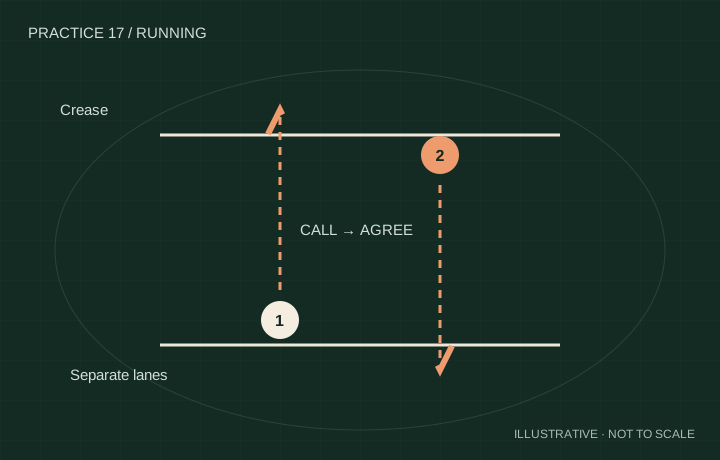
  1. Yes-no-wait — Practise clear running calls and a shared response.
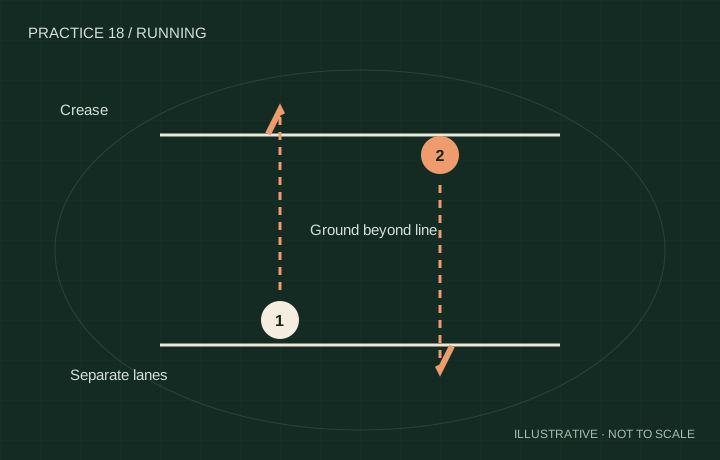
  2. Crease-and-turn — Ground the bat beyond the crease and turn under control.
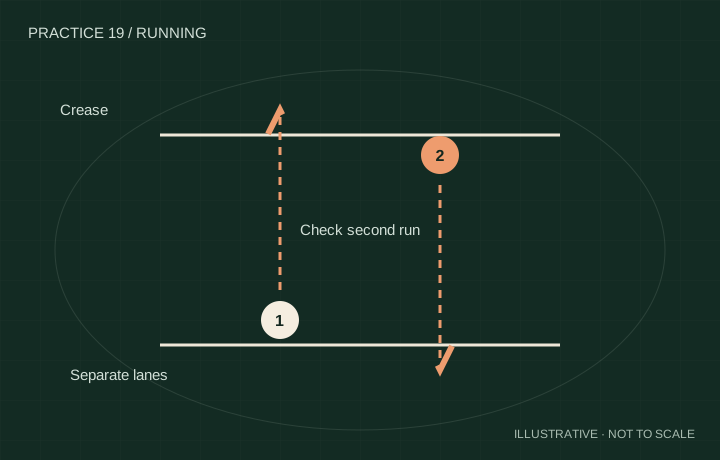
  3. Two-run teamwork — Coordinate a first run, a turn and a decision about the second run.
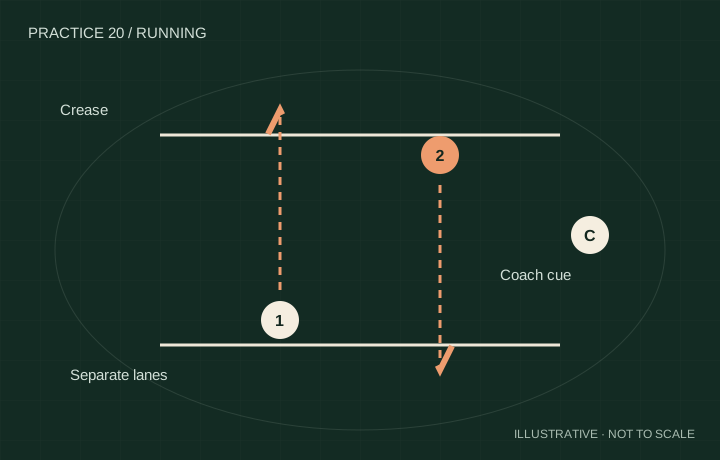
  4. Watch-and-respond — Combine visual awareness with a clear running decision.

Choose the right challenge

Mark clear running lanes and practise the calls at walking pace before increasing speed. Partners should agree on who is calling and react to the same decision. Watch that players ground the bat beyond the crease and turn without crossing into another pair’s lane.

Make feedback useful

Ask both runners what they heard and when they made the decision. Watch for a clear call, a safe path and a completed turn. Reward sensible decisions, including choosing not to run.
PICK AN ACTIVITY

Running between wickets drills

COMMON QUESTIONS

Before the next session

Which running activity should I start with?

Start with yes-no-wait. Practise clear running calls and a shared response. Choose the easier version if the setup is unfamiliar.

How long should I keep the group on one activity?

The card times are starting points, including explanation and rest. Shorten a station if attention or control declines. Bowling workload rules and individual needs take priority over the timer.

How do I know when to make it harder?

Listen for a clear call and check that both runners respond in the same way. If turns become hurried, use shorter lanes and practise grounding the bat at walking pace. Add a second run only when partners can stop as confidently as they set off.

EXPLORE NEXT

Build a rounded practice.

Original Cricstars practice activities • Published 17 October 2026

Adapt every activity to the player, space and conditions. Age guides are starting points, not ability tests. Read the safety guide · How to use this library